
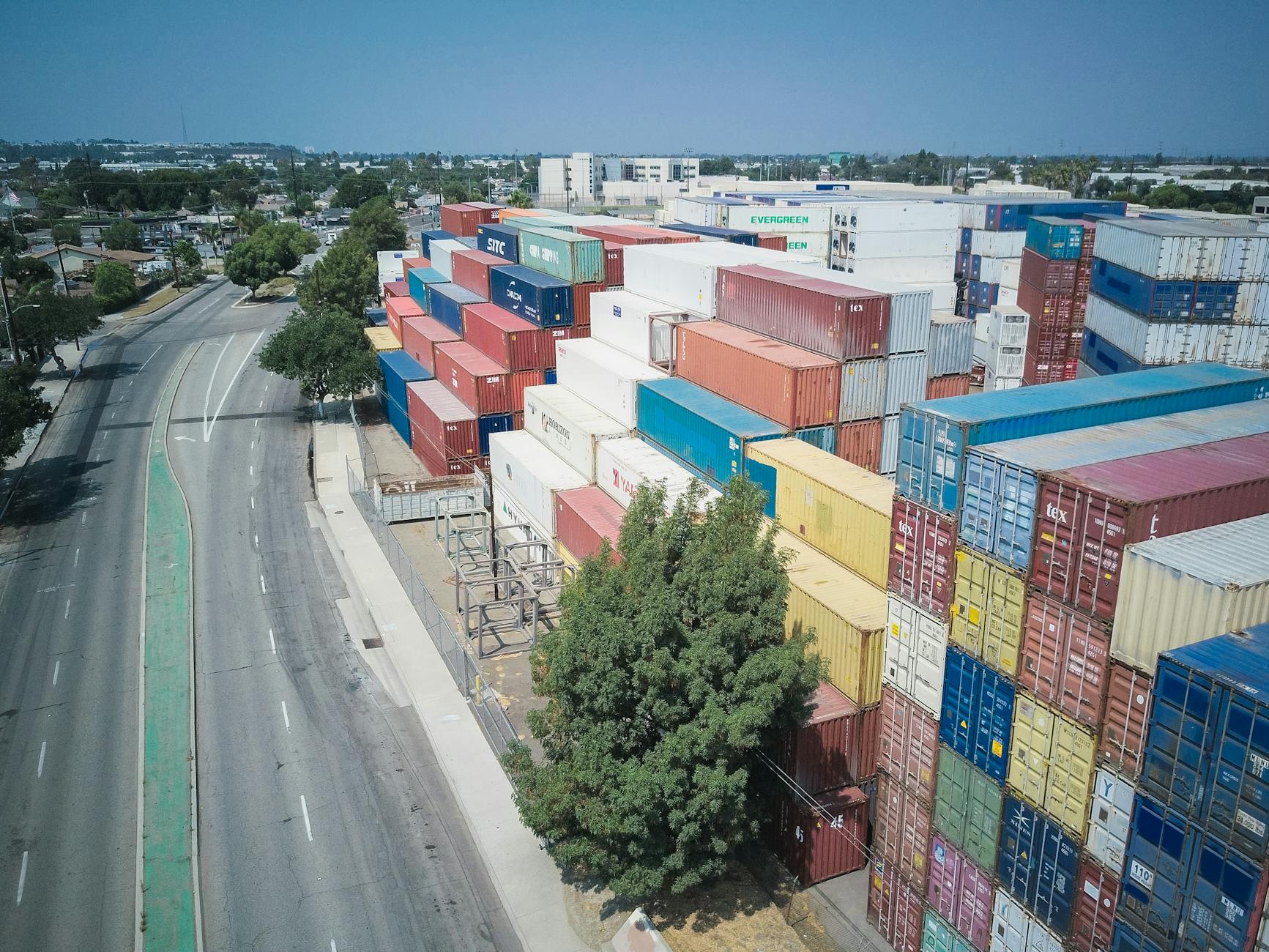

How to Optimize Your E-commerce Logistics in Australia

Assessing Current Logistics
Evaluating Current Systems
When I began evaluating our existing logistics systems, the first step was to understand the entire flow—from order placement to delivery. It’s akin to strolling through Melbourne Central shopping centre, noting each store’s layout. This helped identify potential gaps and efficiencies. One thing that stood out was our reliance on manual tracking systems which felt outdated. Transitioning to automated systems ensured real-time updates, enhancing our responsiveness and accuracy.
Identifying Bottlenecks
The next crucial step was identifying bottlenecks. Think of it as pinpointing the crowded spots in Federation Square during an event. In our logistics, this stage involved monitoring key processes like order processing and warehouse operations. We realised that our manual pick packing methods were causing delays. Addressing these issues meant analysing each step meticulously to uncover inefficiencies.
Analyzing Delivery Performance
Finally, our delivery performance was under the microscope. Similar to enjoying the serene views at The Royal Botanic Gardens, we needed to ensure that our customers had a seamless and pleasant experience. We assessed factors such as delivery times, customer feedback, and return rates. It was clear that partnering with a reliable third party logistics provider could help streamline our operations, ensuring quicker and more accurate deliveries. This analysis was instrumental in shaping our next steps in refining our logistics process.
This evaluation process laid the foundation for a more efficient logistics system, crucial for scaling our business.
Inventory Management Strategies
Real-Time Tracking
Understanding where your inventory is at any given moment is crucial for maintaining efficiency. One effective way to achieve this is through real-time tracking systems. Implementing a sophisticated 3pl logistics system can eliminate discrepancies and ensure that stock levels are updated instantaneously as soon as a transaction occurs. This is vital for providing accurate delivery times to your customers, thereby maintaining their trust and satisfaction.
Stock Replenishment Techniques
Having an accurate and responsive stock replenishment system can spell the difference between a smooth operation and chaotic stockouts. Modern methods, such as just-in-time (JIT) replenishment, allow businesses to maintain optimal stock levels without the risk of overstocking. By ensuring that new stock arrives precisely when needed, you can minimise storage costs and avoid having excess inventory that ties up capital.
Demand Forecasting
Predicting future inventory needs can be tricky but incredibly beneficial. Utilising advanced analytics for demand forecasting can help you make informed decisions about stock levels. This can involve techniques like analysing historical sales data, considering seasonal trends, and incorporating market insights. These tools allow you to anticipate customer demand accurately, thereby optimising your pick and pack processes.
Remember, my first encounter with demand forecasting occurred one Saturday afternoon at Federation Square. I met a seasoned logistics manager who explained how his company used predictive analytics to prepare for the holiday season. The foresight led to a more efficient operation and happier customers.
Incorporating these inventory management strategies can enhance efficiency, reduce costs, and ultimately lead to greater customer satisfaction. These methods not only enable smoother operations but also empower businesses to scale effectively.
Partnering with 3PL Providers
Choosing the Right Partner
One of the critical decisions you'll face as an e-commerce entrepreneur is selecting a 3pl provider that aligns with your needs and values. I remember my first experience in Melbourne Central shopping center, exploring various stores, each with unique offerings and services. Similarly, each 3pl provider comes with its own set of strengths and weaknesses. It’s essential to research thoroughly, considering factors like reliability, cost-effectiveness, and scalability to ensure they meet your current and future business demands.
Integration with Your System
Integrating your systems with a 3PL provider enhances efficiency and operational transparency. This process might seem daunting, but think of it as finding the perfect foundation for your broader logistics strategy. Effective warehouse management systems that sync seamlessly with your existing e-commerce platforms can streamline order processing and inventory management. This integration reduces manual errors and ensures real-time data flow, which is indispensable for scaling your operations.
Evaluating Performance Metrics
Once the partnership is established, it’s crucial to constantly evaluate the performance metrics to ensure they align with your business goals. This involves tracking KPIs such as order accuracy, delivery times, and customer satisfaction. Personal anecdote time: It’s like visiting Federation Square and noticing the little details that make each art installation stand out. By focusing on these metrics, you can pinpoint areas for improvement and ensure your 3PL provider continues to meet your expectations.
These steps will empower you to make informed decisions, ensuring your logistics operations are not just functional but also optimised for growth.
Streamlining Pick and Pack
Efficient Picking Methods
As an e-commerce entrepreneur keen on scaling your business, efficient picking methods can significantly boost your operations. One approach I've found effective is zone picking, especially for businesses situated near major hubs like warehousing sydney. This method divides the warehouse into zones, with each worker responsible for picking items within a specific area, reducing travel time and increasing productivity.
Packing Best Practices
Packing is just as crucial as picking when aiming for quick turnaround times. Utilising standardised packing materials can streamline your process and ensure consistency. I remember a tip I picked up while visiting a friend's warehouse near the Melbourne Central shopping centre: keep frequently shipped items near the packing stations to minimise unnecessary movements.
Automation Opportunities
Automation is a game-changer in pick and pack operations. Implementing a warehouse management system (WMS) can automate various tasks, from order picking to processing. For instance, a robust WMS can seamlessly integrate with your existing systems, reducing errors and improving efficiency. A local 3pl warehouse in your area might already offer these advanced solutions, making it easier for you to adopt automation without significant upfront costs.
Incorporating these methods and leveraging local 3PL services can empower you to efficiently manage your growing order volumes while maintaining customer satisfaction.
Best Practices
Consistent Review and Adjustment
In the dynamic world of logistics, maintaining consistency in reviewing and adjusting your processes is paramount. Regular audits of your current systems can make a significant impact. Consider implementing periodic performance reviews to identify inefficiencies in your fulfillment warehouse solutions. Keep an eye on key performance indicators (KPIs) such as order accuracy and delivery times.
Engaging Customer Feedback
Your customers are an invaluable source of insight. Actively seek their feedback to understand their experience better and to make necessary improvements. Utilize surveys or direct consultations for gathering customer opinions on aspects like shipping speed, packaging quality, and overall satisfaction. By doing so, you can make informed adjustments to your hospitality distribution methods.
Sustainability Practices
Embracing sustainability is not only beneficial for the environment but also resonates well with ethically-conscious consumers. Start by assessing your current packaging materials and seek alternatives that are biodegradable or recyclable. Evaluate the environmental impact of your delivery routes and consider partnering with eco-friendly delivery services. Adopting these healthcare logistics solutions will not only enhance your brand image but also contribute to a greener planet.
By incorporating these best practices into your logistics operations, you can not only improve efficiency but also build stronger, trust-based relationships with your customers. Remember, consistent evaluation, active customer engagement, and sustainability are the cornerstones of a robust and future-ready logistics strategy.